
Menu
The advancement of technology and engineering in the Philippines rests on a strong legal and institutional foundation. The Science Act of 1958 (Republic Act No. 2067) articulated a national policy to promote innovation, foster invention, and strengthen scientific manpower. Building on this, Republic Act No. 1606 encouraged the expansion of scientific and engineering research, invention, and development. The Magna Carta for Scientists, Engineers, Researchers, and other Science and Technology Personnel (Republic Act No. 8439) further recognized the indispensable role of engineers and technologists in national progress, while the Department of Information and Communications Technology (DICT) Act of 2015 (Republic Act No. 10844) reinforced digital transformation, cybersecurity, and ICT governance. These legislative foundations jointly define the mission of Technologique, a trimestral, peer‑reviewed, open access journal committed to advancing scholarship in technology and engineering.
Technologique emphasizes the interplay between scientific innovation, industrial application, and societal transformation. It welcomes studies that explore emerging technologies, engineering systems, digital infrastructures, and methodological breakthroughs that respond to contemporary challenges. To capture this breadth, the journal accepts original papers, systematic literature reviews, case‑based technical studies, theoretical or conceptual articles, and methodological papers. This method scope ensures that contributions range from empirical investigations to conceptual innovations and applied engineering solutions. Initially conceived as an international platform, the journal’s academic contribution now centers on linking research outputs with Philippine industry practice and governance, thereby advancing engineering methods, shaping policy, and strengthening innovation capacity. Its readership includes engineers, technologists, technical educators, and decision‑makers who seek rigorous yet accessible scholarship that bridges theory and application. Though submissions are open to surrounding nations, Technologique prioritizes Philippine contexts as central fields of examination.
Technological Developments. This category encompasses research that investigates the digital and informational foundations of innovation, focusing on how intelligent systems, data infrastructures, and emerging technologies transform industries, governance, and everyday life. It highlights the role of information science and digital tools in driving progress, while also addressing the ethical, cultural, and societal dimensions of technological change.
Engineering Innovations. This category covers scholarship that advances the scientific and applied dimensions of engineering, showcasing breakthroughs that expand industrial capabilities and scientific discovery. It emphasizes the integration of fundamental science with practical design, sustainability, and problem‑solving, positioning engineering as a cornerstone for resilient and adaptive development in the modern world.
Ready to submit? Click the button below.
Need more help before you submit?
The editorial board of Technologique (TECH) brings together distinguished scholars, researchers, educators, and industry practitioners with expertise in computer engineering, civil engineering, artificial intelligence, information and communication technologies, automation, manufacturing systems, environmental resource management, research and development, and innovation management. Representing academic institutions, government agencies, and technology-driven organizations from the Philippines, the board provides multidisciplinary perspectives that strengthen the journal’s commitment to scientific rigor and practical relevance. Their collective expertise ensures the publication of high-quality research that advances technological development, engineering innovation, digital transformation, and sustainable solutions for contemporary societal and industrial challenges.
Interested to be a part of the board?


Chairperson, Master of Science/PhD in Computer Engineering
Polytechnic University of the Philippines, Philippines
Editor-in-Chief
Technologique
ICT systems and software development, Computer Engineering and applied innovations, Digital transformation and e‑learning systems, Robotics, mechatronics, and automation technologies, Network security and systems architecture, Project management and strategic planning in ICT
Want to know the editor profile?
Want to reach out?

Associate Professor III
Polytechnic University of the Philippines, Philippines
Section Editor
Technologique (Engineering Innovations Cluster)
Civil engineering design, construction management, and project execution, Hydraulics and water resource management, Risk management, safety management, and disaster resiliency assessment, Environmental engineering, Concrete retrofitting and innovative construction technologies
Want to know the editor profile?
Want to reach out?

Vocational Training Lecturer
Ministry of Human Resources, Malaysia
Associate Editor
Technologique (Engineering Innovations Cluster)
Civil Engineering Structures, Electronic Systems Engineering, Sustainable Green Manufacturing, Industrial Quality Assurance, Advanced Manufacturing Engineering, Strategic Risk Management, Technical Vocational Education
Want to know the editor profile?
Want to reach out?
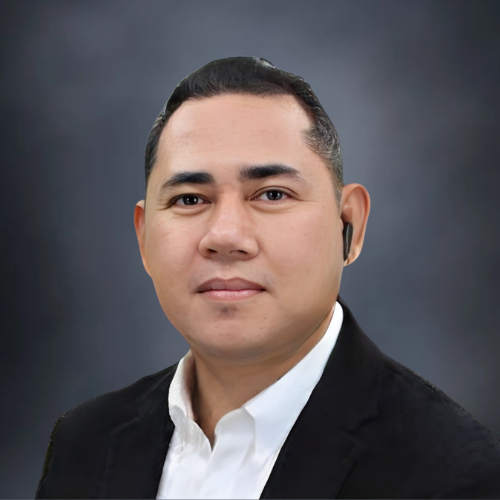
Co-Founder
eMathrix Technologies, Philippines
Associate Editor
Technologique
Computer Engineering Systems, Financial Engineering Models, Applied Artificial Intelligence, Data Science Applications, Mathematics and Statistics, Robotics and Automation, Cybersecurity and Blockchain, Project Management Leadership
Want to know the editor profile?
Want to reach out?


Administrative Research Department Head
Asian Institute of Maritime Studies, Philippines
Associate Editor
Technologique (Engineering Innovations Cluster)
Chemical Engineering Processes, Environmental Resource Management, Industrial Quality Assurance, Textile and Dyeing Technology, Production Supervision Methods, Research and Development Leadership, International Industry Collaboration, Research Administration
Want to know the editor profile?
Want to reach out?
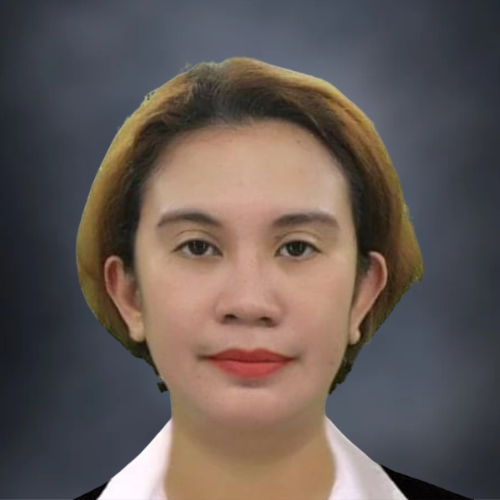
Assistant Professor
Polytechnic University of the Philippines, Philippines
Associate Editor
Technologique
Computer Engineering Systems, Artificial Intelligence Applications, Internet of Things Solutions, Smart Systems Development, Machine Learning Models, Knowledge Management Strategies, Educational Technology Innovation
Want to know the editor profile?
Want to reach out?


Assistant Professor and Program Chair
Diploma in/Master of Research and Development Management (D/MR&DM)
Faculty of Management and Development Studies (FMDS)
University of the Philippines Open University (UPOU)
Associate Editor
Technologique
Experimental Plasma Physics & Image Processing, Research and Development (R&D)
Management, Plasma Applications in Food Safety and Materials Science, Artificial
Intelligence Adoption in Scholarly Publishing, Micro-Credentialing and Self-Directed
Learning, Gender Perspectives in Academic Research Productivity, Systems Thinking
Approaches to Flood Risk and Sustainability, Policy Innovation and University Spin-off
Development, Open and Distance Learning Pedagogy and Institutional Development
Want to know the editor profile?
Want to reach out?
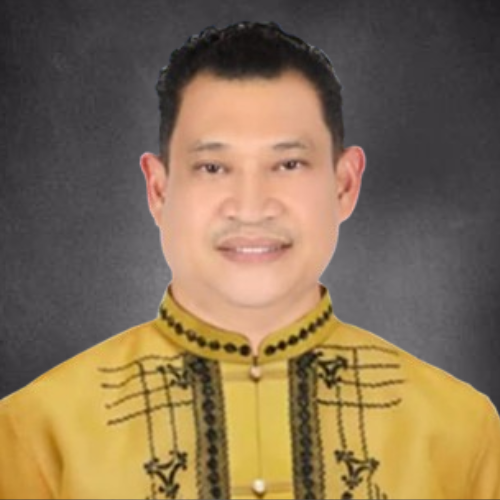

President, Mechatronics & Robotics Society of the Philippines – GCC Nations
President, Institute of Computer Engineers of the Philippines – KSA
Associate Editor
Technologique
Computer Engineering (Systems, Networking, Cybersecurity, Telecommunications), Mechatronics & Robotics Automation, Biomedical Engineering (Imaging Systems Integration, PACS/RIS/HIS interoperability), Theology, Ethics, and Responsible Technology Innovation, AI Ethics and Quantum Computing Applications, Organizational Governance & Policy Development in Professional Societies, Leadership in Transdisciplinary Professional Organizations (ICpEP, MRSP, ICPETL-GCC), Health & Safety Management in Clinical Engineering Environments
Want to know the editor profile?
Want to reach out?
In scholarly publishing, indexing, aggregating, cataloguing, and archiving are critical pillars that ensure a journal’s content is discoverable, accessible, and preserved for future generations. Indexing enhances the visibility of articles in global databases, aggregating consolidates research across platforms, cataloguing integrates journal holdings into institutional libraries, and archiving safeguards scholarly output in trusted repositories.
As a promising publication in the field of social sciences, Technologique is dedicated to achieving recognition and accessibility through inclusion in leading indexing bodies and repositories. This commitment reflects the journal’s vision to serve as a trusted platform for scholars, researchers, and practitioners across diverse disciplines. By fostering rigorous scholarship and timely dissemination, Technologique aspires to strengthen its role in advancing knowledge, encouraging dialogue, and supporting the global academic community in addressing contemporary social challenges.
Indexed by
Catalogued by
Aggregated by
Archived in
Through partnerships with indexing services (Crossref), aggregators (Scilit, Semantic Scholar, Scispace, Mendeley), cataloguers (UC Berkeley, UCLA, Harvard HOLLIS), and archiving repositories (Internet Archive), Technologique guarantees that its publications are discoverable, accessible, and preserved. This multi-layered approach strengthens TECH’s role as a reliable and enduring resource in the advancement of education and pedagogy.
Author Appeals
In cases where an article is yet to be indexed, aggregated, catalogued, or archived, authors are encouraged to contact the Executive Editor and make an appeal. A window of 4 to 6 weeks should be allowed for the processing of such appeals and for receiving a formal response. Technologique assures that all appeals forwarded will be addressed accordingly, ensuring transparency and accountability in the journal’s dissemination process.
Contact: Executive Editor – vmcajala@digi-journalphils.com